A gated, equestrian hillside city on the Palos Verdes Peninsula is pairing outdoor warning sirens with SAFE Network™ indoor alerting, controlled from one SiSA™ platform.
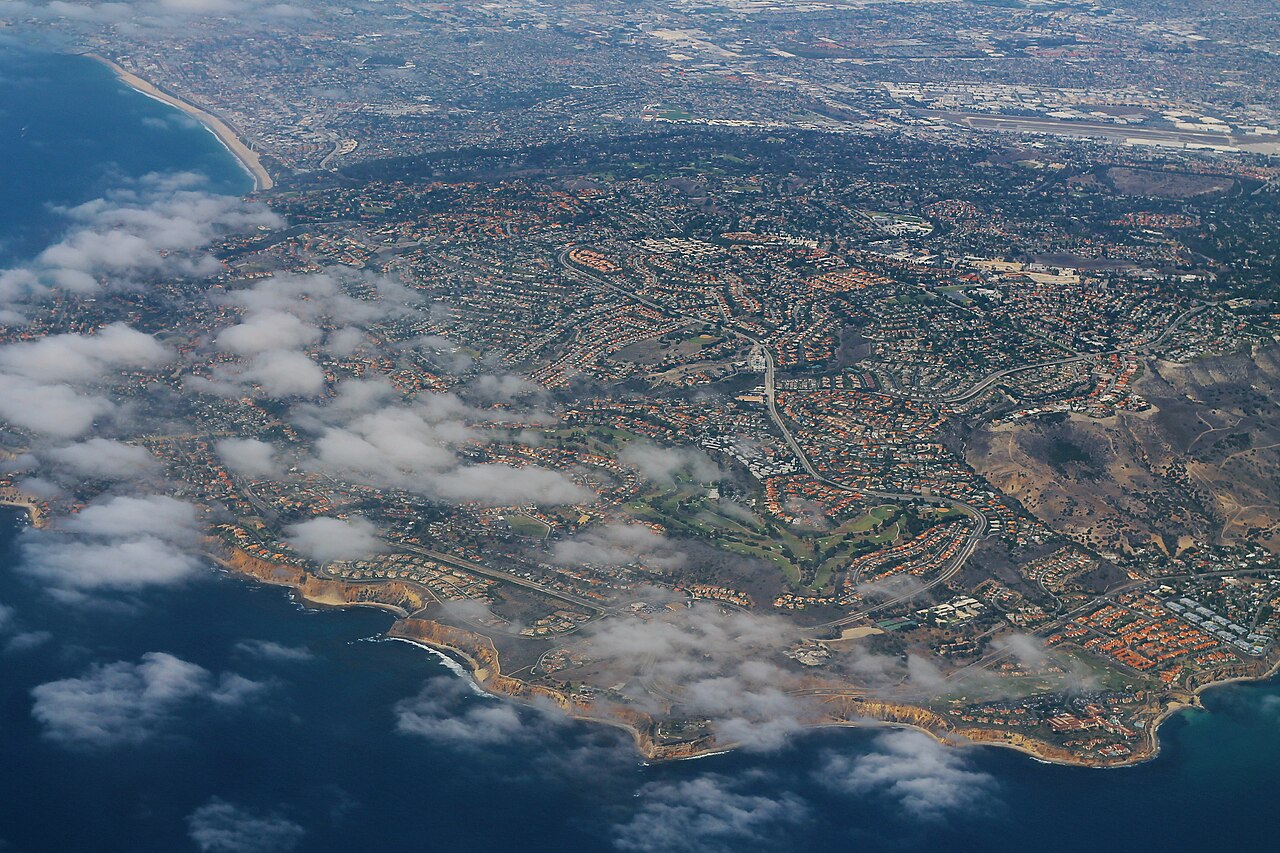
Palos Verdes Peninsula, CAPhoto: formulanone, CC BY-SA 2.0
Rolling Hills covers about 3 square miles at roughly 1,276 ft elevation, home to about 1,739 residents (2020 census) on multi-acre lots behind three entry gates.
That beauty is also the engineering problem. Rolling terrain creates sound shadows, so outdoor sirens alone can miss homes tucked behind ridgelines and down canyon slopes.
Wildfire risk on the peninsula raises the stakes further. When a fire is moving, power and cell service can fail first, so warning has to keep working after the grid and the carriers go quiet.
HQE layered coverage the way the terrain demands: sirens sized to the hills, a resilient control station, and a warning device inside the homes sound can't reach.
Three SiRcom omnidirectional sirens, placed using sound propagation studies of the terrain so coverage follows the ridgelines rather than a flat map.
A central control station running on solar power with cloud control, so the city can activate warning without depending on the utility grid.
SiRcom SMART Alert Software controls the sirens and sends voice calls, SMS, email and social updates, with AES 256-bit encryption and ADA-compliant local control.
A standalone network independent of cellular, internet and AC power that delivers alerts to battery-backed indoor SAFE Units. HQE donated the SAFE Network backbone through its 2024 Community SAFE Grant.
Field studies mapping the homes that terrain shadows from outdoor sound.
HQE donates the SAFE Network backbone and offers indoor units to residents.
A dedicated portal opens for Rolling Hills households to request their SAFE Unit.
The city's SiSA console is connected to SAFE Cloud for unified launch.
Orders open, with every address verified to Rolling Hills.
Integration into SiSA, system testing and deployment to resident homes.
Sirens reach residents outdoors on trails and paddocks, while SAFE Units carry the warning inside homes.
SAFE Network runs independent of cell, internet and AC power, built for the moments wildfire knocks them out.
SiSA launches sirens, SAFE Units and electronic channels together, so one action reaches everyone.
Deployment is ongoing. SAFE Network go-live is scheduled for Fall 2026.
From sound propagation studies to indoor alerting, HQE designs warning around your terrain, your residents and your worst day.